
Teddy’s Ultimate Travel Packing Guide for 2027 and Beyond
What are the Most Important Things to Pack when you’re Going Travelling?
Well, you’ve obviously got the essentials — clothes, a toothbrush, toothpaste, your passport and, in my case, my Teddy Bear! 🧸
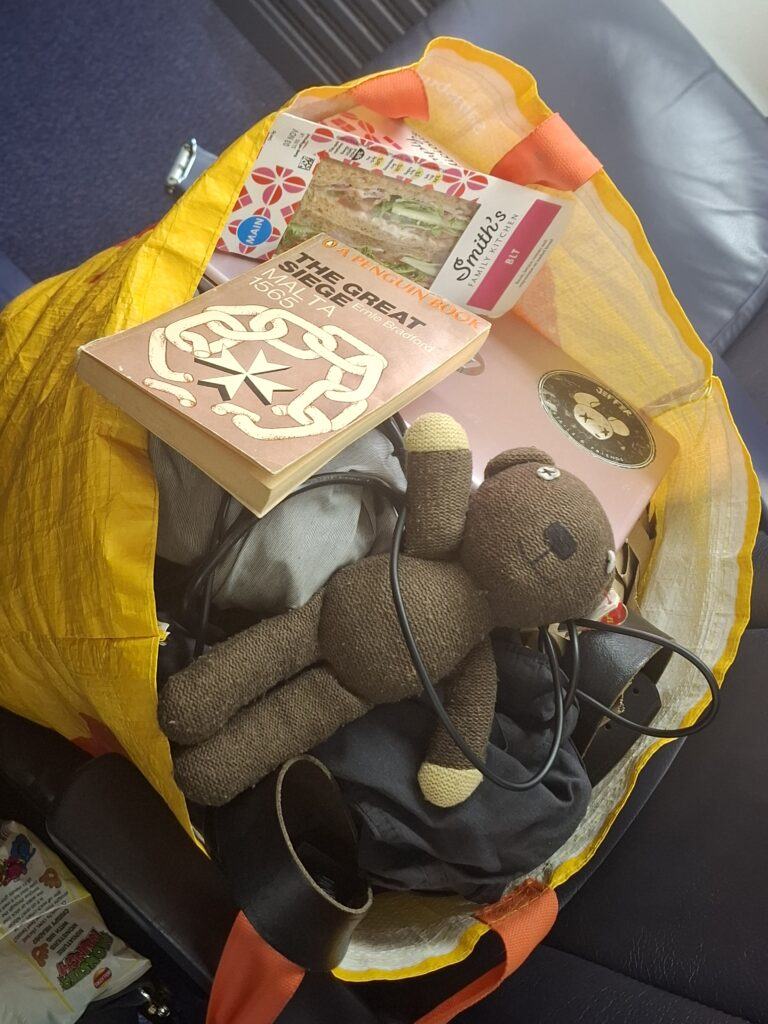
But what about all those other things you might not think about until you actually need them?
Having travelled to quite a few different countries over the years, I’ve learned that there are certain things you really don’t want to leave behind.
Some of these are obvious, while others are things I’ve discovered through experience — sometimes the hard way!
For example, I’ve travelled with only one bank card and ended up losing it along with my phone. I’ve visited beaches without suitable footwear, stayed in places where the nights were surprisingly cold, and found myself wishing I’d packed things that never even crossed my mind before leaving home.
Of course, what you need to pack depends on where you’re going, how long you’re travelling for and what you plan to do when you get there.
A weekend city break in Prague is very different from spending several months backpacking around Africa or travelling through different climates.
That’s why I’ve put together Teddy’s Ultimate Travel Packing Guide for 2027 and Beyond, featuring everything from everyday travel essentials and useful gadgets to some rather unusual items you might never have considered bringing along.
I’ll also share which items I personally travel with, which ones I’ve learned to appreciate and a few things I’m thinking about adding to my own packing list.
So, whether you’re heading away for a few days, a couple of weeks or several months, hopefully this guide will help you prepare for your next adventure.
And whatever else you forget, don’t forget your Teddy Bear!
Now, let’s get started…
Affiliate Disclosure: This post may contain affiliate links. If you book or purchase through these links, I may earn a small commission at no extra cost to you.
Any questions please contact me at teddybearstravels@gmail.com
1. The Basics: Everyday Travel Essentials
Let’s start with some of the smaller things that are easy to overlook when you’re packing.
You might not need every single item on this list, but I’ve found that having a few everyday essentials handy can make travelling a lot more comfortable.
- Nail clippers: Something I always like to have with me, especially on longer trips. Just remember to check your airline’s hand luggage restrictions before packing them.
- Books to read: I enjoy having a proper book with me, particularly for long journeys or relaxing somewhere without WiFi.
- Tea bags: Green tea in my case! You can’t always find your favourite tea abroad, so taking a few bags can be worthwhile. Just remember to check any food import restrictions before travelling.
- Notebook and pen: Useful for writing down addresses, directions, travel plans or anything else you might need to remember.
- Travel towel: You can’t always rely on your accommodation to provide one, particularly when staying somewhere more basic. A lightweight, quick-drying microfibre towel is especially useful.
- Toothpicks or dental floss: Something I really need to start packing myself!
- Reusable shopping bag: Handy for supermarket trips, laundry or carrying a few extra belongings.
- Small pack of tissues and wet wipes: Particularly useful when travelling on buses, trains or visiting places where toilet facilities are basic.
- Hand sanitiser: Worth carrying when soap and running water aren’t available.
- Small laundry bag: Keeps dirty clothes separate from everything else in your suitcase.
Toiletries and Small Travel Containers
Another useful idea is bringing a few small refillable containers for shampoo, shower gel and other toiletries.
Of course, you’ll find that plenty of places provide these for you, particularly more luxurious hotels. However, if you’re staying in hostels, budget accommodation or somewhere more basic, you can’t always rely on this.
Personally, I like the idea of using 100ml refillable bottles because they’re compact, lightweight and don’t take up much space in your luggage.
They’re also a sensible size for travelling through airports. Many UK airports still apply the 100ml-per-container restriction for liquids in hand luggage, although rules can vary depending on the airport and its security equipment. It’s always worth checking before you fly.
Now, one thing I’ve learned from experience is just how inconvenient it can be when you arrive somewhere without anything to wash with!
There have been times when all I’ve wanted to do after a long journey is have a shower, freshen up and head straight out to explore.
Instead, I’ve had to go looking for a shop to buy shower gel, return to my accommodation, have a shower and then head out again.
Not exactly the best way to start a holiday!
And here’s another thing that annoys me.
When I buy a full-sized bottle of shower gel while I’m away, I often end up using only a small amount before it’s time to fly home. If it won’t fit within my hand luggage allowance, I end up having to throw the rest away.
I’m a tightwad, I know! But I hate wasting perfectly good products, especially when I’ve paid for them.
That’s why I think bringing a few small refillable bottles is such a good idea. Even if you only pack enough for your first couple of showers, at least you can get settled in without immediately having to hunt down the nearest supermarket.
Other toiletries worth packing include:
- Deodorant: I prefer roll-on or stick deodorants when travelling. Aerosol sprays are subject to airport liquid restrictions, so smaller alternatives can be more convenient, especially when flying with hand luggage only.
- Toothbrush and toothpaste: Obvious essentials, but surprisingly easy to forget!
- Lip balm: Particularly useful in cold, dry or windy conditions.
- Moisturiser: Handy if your skin tends to dry out while travelling.
- Personal hygiene products: Anything else you regularly use and might struggle to find at your destination.
2. Electronics and Travel Gadgets Worth Packing
Technology is one of those things that can make travelling much easier. It certainly has for me – on many occasions now. In fact, I don’t know what I would have done without it in a lot of situations.
My smart phone really is the best thing since sliced bread for me and Teddy Bears Travels, but in the same breath – even just this does present quite the dilemma.
I mean these days, we use our phones for almost everything —
- maps,
- boarding passes,
- accommodation bookings,
- online banking,
- taking photos
- and keeping in touch with people back home.
I think without a doubt this makes a smart phone one of the most Important things on this travel packing list. It’s bad how much we rely on tech like this but for sure this actually creates so many opportunities for people. Although, having battery when we need it and Internet this should not be underestimated.
Power Bank
This is one thing I still haven’t bought, but I really think I should get one!
Imagine spending the day exploring somewhere unfamiliar, using Google Maps to find your way around, and suddenly your phone battery dies.
Not ideal, especially if you don’t know where you are. I can think of a good few times now when having no charge on my phone has caused problems for me. Asking for directions from people that don’t talk your lingo – I mean this quite frankly can feel so embarrassing, and spending money in a place just so you can charge your phone – it definitely makes this a smart Investment.
A decent power bank can keep your phone charged while you’re travelling, and of course other devices too.
Important: Power banks generally need to be carried in your cabin baggage rather than checked luggage. Always check your airline’s rules on battery capacity and permitted devices.
Backup Phone, SIM Card and 2nd Bank Card Kept Somewhere Safe
This is something I strongly recommend considering, especially if you’re travelling alone.
Some people might confidently say they’ll never lose their phone or wallet, but believe me, it can happen!
I’ve lost my phone a good few times now, and on one particularly unfortunate occasion in Mallorca, I managed to lose both my phone and my only bank card.
Having no phone has left me stuck without navigation, unable to access important information and even struggling to find somewhere to stay because I couldn’t book myself into a hostel or hotel.
Losing my only bank card as well made the situation considerably worse.
It’s one of those things where you don’t realise just how dependent you are on your phone until suddenly you haven’t got one.
I really don’t know what I’d do without Google Maps, for example — even though it has occasionally taken me on a wild goose chase!
But my point is that having a spare phone with a working SIM card could make a massive difference.
One thing I’ve done several times in the past is transfer my existing phone number to a replacement SIM after returning to England.
I’ve found this relatively straightforward with my Tesco Mobile/O2 SIM, although I wouldn’t automatically assume it would be as easy to arrange while travelling abroad.
My advice would be to check with your mobile network before travelling to find out how you could recover your number if your phone or SIM was lost.
This can be particularly important if you need your UK phone number to access online banking or receive security verification codes.
Even a basic backup phone could be useful for making calls and receiving text messages, although having a spare smartphone with Google Maps and other travel apps would obviously be even better.
Just remember to keep your backup phone somewhere separate from your main phone.
The same goes for your emergency bank card and cash.
Phone With eSIM Compatibility
If you’re planning to upgrade to a new phone, I’d definitely consider getting one that supports eSIM technology.
An eSIM allows you to activate a mobile plan digitally without needing to insert a physical SIM card.
This can be incredibly useful when travelling internationally, particularly if you want to buy a data package before arriving in a new country.
Having this option has been a game changer for me.
The trouble I’ve had in the past after arriving somewhere without mobile data isn’t even funny!
I’ve spent hours and hours walking around unfamiliar places trying to find somewhere to buy a new SIM card and get mobile data working on my phone.
It’s been a real headache.
Also, some airports charge absolutely ridiculous prices for mobile data!
Turkish airports, for example, really take the **** here.
The last couple of times I travelled to Turkey, I didn’t bother paying for a mobile data package at the airport because the cheapest options I saw were around €32, if I remember correctly.
Meanwhile, I found options for around €10 in the city.
It’s frustrating because airport shops know that arriving travellers often need to get connected immediately and might not have many convenient alternatives.
Unless, of course, you’ve already got yourself an eSIM!
You can certainly get around without mobile data, but personally, I’d much rather have it than not.
Plenty of places offer free WiFi, and if you plan ahead, you can download offline maps and other useful information before travelling.
However, from a financial point of view, having an internet connection while you’re on the move can save you not only time but potentially quite a bit of money too.
For example, depending on where you’re travelling, public transport might cost a fraction of what you’d pay for a taxi or Uber.
But if you haven’t got internet access to look up routes, timetables or ticket information, you could find yourself having quite a bit of trouble.
Or perhaps you’ll find yourself going into a bar or restaurant just to use the WiFi.
How much could that end up costing you?
Especially if you’re the sort of person who goes in for one drink and somehow ends up having ten!
Something I’ve found myself doing far too often.
And it’s not just about saving money.
Honestly, upgrading my phone so I could use eSIMs has given me so much more confidence to travel to destinations further afield.
Even when I was planning my trip to Ethiopia, having an eSIM-compatible phone gave me a lot more peace of mind.
I’m not even sure I would have booked the trip without having that kind of safety net.
Where Do I Buy My Travel eSIMs?
Personally, I’ve been using Trip.com to buy my travel eSIMs, and it’s one of the options I’d recommend looking at if you’re planning a trip abroad.
You can browse different data packages depending on your destination, how long you’re travelling for and how much mobile data you think you’ll need.
Of course, I’d still recommend comparing prices with other providers before buying, but I’ve found Trip.com a useful option for arranging mobile data for my travels.
Browse Travel eSIM Deals on Trip.com
Affiliate disclosure: This is an affiliate link, which means I may earn a commission if you make a qualifying purchase, at no extra cost to you.
I’m not even sure I would have booked the trip without having this kind of safety net there.
Of course, eSIM prices, availability and coverage vary depending on your destination, so always compare your options and check your phone’s compatibility beforehand.
Some countries are considerably cheaper than others, and you might also find that different eSIM providers offer very different prices for similar data packages.
One more thing worth knowing: You can also get eSIM adapters for certain older phones that don’t have built-in eSIM support.
I’ve never tried one myself, so I can’t personally say how well they work. However, if you can’t afford to upgrade to a newer phone, this could be an alternative worth investigating.
Just make sure you check that the adapter is compatible with your particular device before buying one.
Travel Adapters and Phone Chargers (for UK Travellers)
This is another essential.
Personally, I like to pack an EU plug with USB charging slots, an adapter for my laptop and my usual UK phone charger.
The last thing you want is to arrive somewhere and discover you haven’t got the right plug to charge your devices!
Of course, this advice depends on where you’re travelling.
Perhaps you’re heading to the USA, Australia or somewhere in Asia.
I’ve never been to a country yet where I’ve needed anything other than UK or European-style plugs, but that doesn’t mean you shouldn’t be prepared.
Different countries use different electrical sockets, and a good universal travel adapter can save you from having to buy separate adapters every time you cross a border.
The main thing to understand is plug types.
For example, the UK generally uses Type G sockets, while Types C, E and F are common across much of continental Europe.
However, other plug types are used throughout the world, including in parts of Africa and Asia.
It’s worth checking which electrical plugs and sockets are used in your destination before travelling.
A universal travel adapter can be a great investment, although not every model supports every socket type.
And remember, a plug adapter doesn’t necessarily convert voltage, so make sure your electrical devices are compatible with the local electricity supply.
Laptop or Tablet for Online Work
I know most people like to go away and actually enjoy themselves.
After all, travelling the world is about experiencing new places, meeting people and making memories — not spending your entire trip staring at a screen!
However, perhaps you’re a digital nomad like myself, funding your travels through online work.
Or maybe that’s something you’d like to do in the future. If so, you might find my guide to Wealthy Affiliate as a travel blogger useful.
Either way, my advice would be to invest in something lightweight and portable.
I’m speaking purely from the perspective of a budget traveller here, but I absolutely love my little HP Stream laptop because it fits so easily into my luggage.
It’s not a particularly new model, and its internal storage is absolutely tiny, but it’s good enough for me to do my blogging while travelling.
And that’s really all I need it for!
I actually have an 8GB USB thumb drive that I use whenever I need a bit of extra storage.
Of course, if you’re a YouTuber producing longer videos or doing more demanding work, you’ll probably want something with better specifications.
But my main point is that you don’t necessarily need to spend a fortune on a laptop.
Just make sure you get something lightweight and portable rather than one of those old, chunky machines that takes up half your luggage!
Not everyone needs a laptop, either.
These days, you can do an awful lot on a smartphone, and for a short trip, that might be more than enough.
However, having my laptop as a backup when I’ve lost my phone in the past has been an absolute lifesaver.
As for tablets, I’ve never been much of a fan of them myself, but I’m sure plenty of people find them useful.
Even if you only use one for browsing the internet, watching videos or keeping in touch with people back home, it could be worth considering.s or keeping in touch with people, it could be worth considering.
AirTags and Luggage Trackers
This is another idea I really like.
If you’re an iPhone user, an Apple AirTag can help you locate your luggage, backpack or other belongings through Apple’s Find My network.
There are similar trackers available for Android users too.
For example, if you’re travelling on a coach or tour bus and your luggage gets separated from you, having a tracker inside your bag could be helpful.
Or, perhaps you are a long distance hiker and you lose a bag. Here as long as you don’t lose your phone you should in this situation one of these could actually work wonders.
Just remember that trackers depend on compatible nearby devices or other network coverage. They aren’t guaranteed to provide live tracking everywhere.
Note: Also how about this for an idea how about using good old fashioned labels for things. Put a sticker on your phone, laptop and wallet – “if lost please contact me by email at “XXXX@XXXXX.com”.
There are many people that are not so honourable but there are more honourable people out there than most people think – and if they can return someone’s lost belongings they will. So, I think my idea of stickers with contact details on your valuables – phone, bank card etc. this is definitely worth doiing.
USB Stick or External Hard Drive
If you take lots of photos and videos while travelling, an external storage device could be useful.
I particularly like the idea of having a backup of important photos rather than keeping everything on one phone.
Cloud storage is another option, although this depends on having a reliable internet connection.
I am copying this from another travel bloggers packing list. This girl she makes a lot of online content and what she does is once she fills up her drive she posts back to her home address.
Of course, for important files, I’d recommend having more than one backup. You can never be too careful but I have had this phone storage conundrum before – it can be a real nuisance when you want to take so many photos but you can’t do it.
Other Useful Travel Gadgets
A few other electronics worth considering include:
- Headphones or earbuds: Particularly useful on flights and long bus journeys.
- Kindle or e-reader: I prefer physical books, but an e-reader can save a lot of luggage space.
- MP3 player: A slightly old-fashioned idea, perhaps, but useful for listening to music without draining your phone battery.
- Small torch or headlamp: Especially useful for camping, power cuts or visiting remote places.
- WiFi booster or travel router: Something I’ve never tried, but it might be worth researching if you’re working remotely. A travel router can help manage connections, although it won’t magically improve a weak internet signal.
3. Money, Travel Documents and Personal Security
This is probably one of the most important sections in the entire guide.
Losing your phone is bad enough, but losing access to your money at the same time can turn a holiday into a nightmare.
Believe me, I’ve been there!
Travel Money Cards
I personally use a Caxton travel card, which I got after losing my only bank card while travelling in Mallorca.
Having a travel money card can be a smart idea, particularly if you want to save money on foreign exchange fees.
Caxton supports spending in a range of currencies, including euros, US dollars, Australian dollars, Canadian dollars and Japanese yen.
However, I’ve also got a Wise account, and depending on where you’re travelling, this might be another option worth considering.
For example, Wise allows you to hold and convert money in a wider range of currencies, including Turkish lira, which could be useful if you’re planning a trip to Turkey.
Sign Up for Caxton and Get a £10 Credit When You Top Up £50 for the First Time
Or Sign Up for Wise – Another Option for Travelling to Turkey
Of course, fees, exchange rates and withdrawal limits vary between providers, so it’s worth comparing your options before travelling.
Extra tip: Before withdrawing cash abroad, try searching Google for fee-free ATMs in your destination.
Some ATM operators charge additional withdrawal fees, so finding one that doesn’t could save you money. It’s also worth checking whether your card provider charges its own fees.
And here’s another tip!
If you’re bringing a spare bank card for emergencies, don’t keep it in the same wallet or purse as the card you normally use.
Keep it somewhere separate and secure, where you’ll know exactly where to find it if you need it.
Always Bring More Than One Bank Card
If there’s one lesson I’ve learned from my travels, it’s this:
Never rely on just one bank card when you’re abroad.
I once travelled with only one card and ended up losing it along with my phone.
Not exactly one of my favourite travel memories!
These days, I think it’s sensible to have at least two payment cards, preferably from different providers.
Keep them in separate places so that losing one wallet doesn’t leave you without access to your money.
Small Shoulder Bag or Crossbody Bag
I really like using a small shoulder bag for keeping important belongings close to me.
Things like your phone, bank cards, passport and travel documents can easily get misplaced when you’re constantly taking things out of your pockets.
A crossbody bag with secure zips can make things more convenient, particularly in busy cities or when using public transport.
However, there’s something important to consider.
You really don’t want to keep all your valuables in one place.
Imagine losing your bag with your wallet, phone, bank cards, house keys, hotel key and passport all inside!
Unfortunately, these bags can also attract the attention of opportunist thieves.
I’ve actually heard about this happening to someone I know. A thief cut the strap of his bag and stole it.
To make matters worse, the thief apparently used his hotel key to gain access to his room afterwards.
It’s a pretty frightening thought.
I mean, there are certainly pros and cons to carrying these kinds of bags.
But personally, if I’m out exploring somewhere in shorts and a T-shirt, I find carrying a small shoulder bag much more convenient than trying to squeeze my phone and wallet into loose pockets.
I’d probably be more likely to lose something that way!
One idea I’ve been considering: I actually bought a metal chain that I’m thinking about attaching to my bag.
I haven’t tried it yet, but perhaps some kind of additional attachment could make it harder for an opportunist thief to grab the bag and run.
Of course, no bag or security accessory is completely theft-proof, and it’s important not to use anything that could prevent you from releasing the bag safely if someone tries to take it.
Dummy Wallet
This is something someone recommended to me, although I’ve never actually tried it.
The idea is to carry a cheap wallet containing a small amount of cash while keeping your main bank cards and valuables somewhere more secure.
I suppose the thinking is that if you encounter a pickpocket, they might end up taking the dummy wallet rather than your actual valuables.
It’s probably more of a last-laugh scenario than a foolproof security measure, but I know some travellers do use them.
Personally, I’d focus on keeping valuables secure and spreading important belongings between different locations.
Belt Bag
This was actually a suggestion from an older gentleman I sometimes have a drink with at the pub.
We were talking about crossbody bags and how risky they can sometimes be in places where bag theft is a concern.
He suggested using a belt bag as an alternative.
Some of these bags have a strap that goes over your shoulder, but they can also be attached securely to your belt.
The idea is that if someone cuts the shoulder strap, the bag would still be attached to your belt as an extra precaution.
I can certainly see the appeal, although I’d still recommend being careful about how and where you carry your valuables.
Padlock
I’ve read quite a few travel blogs where people recommend carrying a small padlock.
It’s not something I’ve personally given much thought to before, but I can certainly see why it might be useful.
This is particularly true if you’re staying in hostels where lockers are provided.
Some hostel lockers require you to bring your own padlock, while others provide one.
Either way, it’s worth checking what your accommodation offers before travelling.
A small, lightweight padlock doesn’t take up much room, and it could be a useful addition to your packing list.
Photocopies of Important Documents
Thankfully, I’ve never lost my passport while travelling.
And I certainly hope I never do!
Something some people might not realise is that stolen passports can be valuable to criminals.
In fact, there have been reports of stolen passports being sold for considerable amounts of money.
That’s why I think passports deserve just as much care and attention as your other valuable possessions, if not more.
But what happens if you do lose your passport while travelling abroad?
Having copies of your passport and other important documents could make sorting everything out afterwards a whole lot easier.
This is actually another idea I came across while reading somebody else’s travel packing list.
Believe it or not, I hadn’t really considered it before! 😂
But it’s definitely something worth thinking about.
I’d recommend keeping copies of:
- Your passport’s identification page
- Visas and entry permits
- Travel insurance policy
- Flight and accommodation confirmations
- Emergency contact details
- Driving licence or international driving permit, where required
It’s also worth keeping secure digital copies somewhere you can access them even if your phone is lost or stolen.
Remember, photocopies don’t replace original travel documents, but they can help when contacting an embassy, insurer or other relevant organisation.
Emergency Cash
Not having even a small amount of physical cash for emergencies is something I definitely wouldn’t recommend.
Even if you normally pay for everything by card, having some emergency cash tucked away somewhere safe could be an absolute lifesaver.
This is particularly true when travelling to remote areas, using local transport or visiting places where card payments aren’t widely accepted.
And once again, I’m going to use my experience in Mallorca as an example.
After losing my phone and my only bank card, I found myself in a horrible situation.
I spent days struggling without proper access to food or somewhere to stay.
But one of the biggest problems came when it was time to get to the airport.
I didn’t even have the €5–€10 I needed for the bus!
I remember asking people who were getting on the bus whether they could help me, but unfortunately, nobody did.
And because I couldn’t afford the bus fare, I missed my flight home.
I’m almost certain I even saw the plane I was supposed to be on flying overhead!
It was absolutely shocking.
And the most frustrating thing?
If I’d kept just a little emergency cash somewhere safe, the whole situation could have been avoided.
Instead, I ended up having to pay around £200 for another flight home.
I put it on my credit card, which was already maxed out, but thankfully the payment still went through.
Not exactly the kind of travel experience you want to repeat!
That’s why, if there’s one thing I’d recommend taking away from this section, it’s this:
Always have a backup way to access your money, and keep some emergency cash somewhere separate from your everyday wallet.y credit card to get another flight. I actually was maxed out already but they still was able to charge me thankfully.
4. Health, Hygiene and First Aid Essentials
This is another area where I think it’s worth being prepared.
You don’t need to bring an entire pharmacy with you, but having a few basic supplies could save you a lot of trouble.
After all, you never know when you might get ill, cut yourself or find yourself needing something that isn’t readily available where you’re staying.
And believe me, when you’re travelling somewhere unfamiliar, the last thing you want is to be searching for a pharmacy when you’re already feeling terrible!
Anti-Diarrhoea Tablets
I’ve never actually taken anti-diarrhoea tablets away with me, but it’s something I’ve thought about quite a lot.
Especially after my trip to Ethiopia, where I ended up getting a stomach bug!
Traveller’s diarrhoea can be a real nuisance, particularly if you’re visiting somewhere with unfamiliar food or different hygiene conditions.
And while being ill is unpleasant enough at the best of times, imagine having to catch a long-distance bus or flight when you’re constantly needing the toilet.
Not exactly ideal!
That’s why I think it could be worth considering packing something like loperamide, which may provide short-term relief from diarrhoea for some adults.
However, it’s important to remember that anti-diarrhoea medication isn’t suitable for everyone or every situation.
For example, loperamide shouldn’t generally be used on its own if you have bloody diarrhoea or diarrhoea accompanied by a fever.
My advice: Speak to a pharmacist or GP before travelling if you’re unsure which medicines are appropriate for you, particularly if you have an existing medical condition or take other medication.
And remember, preventing dehydration is especially important when you’re suffering from diarrhoea or vomiting.
Oral Rehydration Sachets
These are something I’d strongly consider packing.
Oral rehydration salts can help replace fluids and electrolytes lost through diarrhoea or vomiting.
They’re lightweight, relatively inexpensive and don’t take up much room in your luggage.
And if you’ve ever suffered from a stomach bug while travelling, you’ll probably appreciate just how useful something like this could be!
Just make sure you use safe drinking water when preparing them and follow the instructions on the packet.
If you’re unable to keep fluids down or develop signs of significant dehydration, seek medical advice rather than relying on sachets alone.
Mosquito Repellent and Bite Relief
Mosquitoes are such a pain in the backside!
And black flies can be even worse in certain countries.
I’ve taken after-bite treatment away with me before, and it’s something I definitely think is worth having.
Sometimes you might only get a few bites here and there, but I remember spending three days in Italy and getting bitten more than 20 times!
It was ridiculous.
From Italy, I travelled to Tunisia, and by that point, my skin was driving me absolutely mad.
I hadn’t brought any bite-relief treatment with me, but strangely enough, swimming in the sea seemed to help soothe the irritation.
I’ve managed without after-bite products plenty of times, but experiences like this have made me appreciate why they’re worth packing.
Of course, preventing bites in the first place is even better.
A suitable insect repellent can make a big difference, and mosquito nets are another option worth considering, particularly if you’re staying somewhere without properly screened windows.
You can also buy plug-in mosquito repellents.
I actually had one of these when I stayed at an Airbnb in Malta.
I’m not entirely sure how effective it was, though, because I still managed to get bitten!
Perhaps that happened while I was out exploring rather than inside the accommodation.
Black flies can be a nuisance in Malta too, so I can’t even be certain what was responsible for some of those bites.
But when it comes to mosquitoes, there’s something particularly important to remember.
In some destinations, mosquito bites can transmit serious diseases.
If you’re travelling somewhere where mosquito-borne illnesses are a concern, I’d strongly recommend researching the risks and getting destination-specific medical advice before leaving.
And don’t be too tight when it comes to buying a decent insect repellent!
Products containing ingredients such as DEET or picaridin can be effective when used according to their instructions.
One final note about bite relief: During my time in Tunisia, I found that swimming in the sea seemed to soothe the bites I’d picked up in Italy.
However, I wouldn’t recommend seawater as a reliable treatment, particularly if you’ve been scratching your bites or have broken skin.
A cold compress or suitable bite-relief product is generally a more sensible option.
Sun Cream and After-Sun
I personally tend to prefer covering up rather than using lots of products on my skin.
I’m quite particular about certain ingredients, so I usually look for other ways to protect myself from the sun.
However, I know sunscreen is an essential for many travellers, and it’s worth emphasising just how important proper sun protection is.
Covering up with suitable clothing, wearing a hat, seeking shade and applying broad-spectrum sunscreen to exposed skin can all help protect against harmful UV radiation.
If you’re sensitive to certain ingredients, mineral-based sunscreens may be worth considering.
There are also plenty of after-sun products available, including those containing aloe vera.
Aloe vera gel can feel soothing on mildly sunburnt skin, although it won’t reverse the damage caused by excessive sun exposure.
One thing I wouldn’t recommend is relying on homemade sunscreen. Unlike properly tested commercial sunscreens, homemade mixtures don’t provide a reliable or verified level of SPF protection.
Personally, I think the best approach is to combine suitable clothing, shade and effective sunscreen rather than relying on any one method alone.
Basic First Aid Kit
A small first aid kit is something else I’d recommend bringing along.
You don’t need anything particularly elaborate, but having a few basic supplies could save you a lot of inconvenience.
Some useful items to consider include:
- Plasters: For minor cuts and scrapes.
- Blister dressings: Particularly useful if you’re planning lots of walking or hiking.
- Antiseptic wipes: For cleaning minor wounds, where appropriate.
- Bandages and sterile dressings: Useful for minor injuries.
- Pain relief medication: Such as paracetamol, if suitable for you.
- Personal medication: Anything you regularly need or have been advised to carry.
If you take prescription medication, check the rules for bringing it into your destination and make sure you have enough for your trip, allowing for possible delays.
For longer journeys, it’s also worth checking whether you need to carry a copy of your prescription or other supporting documents.
And remember, medication that’s perfectly legal in the UK might be restricted in another country, so it’s always worth checking before you travel.
5. Clothing: Be Prepared for Different Weather Conditions
I wasn’t originally going to include a clothing checklist because what you need really depends on where you’re travelling.
To be honest, I think it’s a given that people will pack clothes when they go away!
But one thing I’ve learned from my travels is that there are certain items you might not think about packing until you actually need them.
Or perhaps wish you’d packed is a better way of putting it!
Warm Layers
Even if you’re travelling somewhere hot, I’d recommend bringing at least one warm jumper or fleece and a pair of long trousers.
You might be surprised just how cold certain places can get in the evening.
I remember spending two nights in the desert, and despite the heat during the day, it was absolutely freezing at night.
All I had to keep warm were the covers on my bed!
Thankfully, wrapping myself up was enough to get me through the night, but one thing I really wished I’d brought was a woolly hat to keep my head warm.
I suppose that’s one of the practical uses of a traditional keffiyeh, which can provide protection from the sun, wind and cold.
I was too tight to buy one myself, though!
And it’s not just deserts or places with cold climates where you need to think about bringing warm clothing.
I’ve experienced this in both Malta and Lanzarote, where the weather has otherwise been lovely and warm, but the strong winds have left me absolutely freezing while I’ve been stuck outside.
It’s quite surprising how cold you can feel when the wind picks up, even somewhere you’d normally associate with sunshine and hot weather.
On occasions like these, having a warm jumper or a windproof jacket can make a massive difference.
Similarly, I’ve visited Budapest and Austria during periods of extremely cold weather.
And believe me, it wasn’t just cold at night. Even during the day, the temperatures were absolutely freezing!
The lesson here is simple: don’t underestimate how cold certain destinations can feel, even if you’re expecting warmer weather.
Personally, I tend to bring a coat everywhere I travel, although I appreciate that not everyone wants to carry one around a hot country!
At the very least, I’d recommend checking the weather forecast before travelling and packing something warm if there’s a chance of cold evenings, strong winds or significant temperature changes.
And if you’re heading somewhere particularly cold, or planning to spend nights in the desert, that brings me nicely to my next recommendation.
Hat, Scarf and Gloves
If you’re heading somewhere cold, these are obvious essentials.
I’d definitely recommend bringing all three.
But here’s something else worth considering: packing a spare pair of gloves.
When I was in Austria during some particularly cold weather, I managed to lose one of my gloves.
And for the rest of the week, it drove me absolutely potty!
I could have just bought another pair, of course.
But I was too tight. 😂
Looking back, having a spare pair tucked away in my luggage would have saved me a lot of inconvenience.
Waterproof Jacket
Even a lightweight waterproof jacket is worth considering.
You might be heading somewhere that’s supposed to be sunny, but weather conditions can change unexpectedly.
And when it’s absolutely hammering it down outside, the last thing you want is to discover you haven’t brought anything waterproof!
This is where a lightweight, packable waterproof jacket can be particularly useful.
It doesn’t take up much room in your luggage, and you won’t have to carry a bulky winter coat around a hot country just in case it rains.
A windproof, waterproof jacket can also come in handy when you’re somewhere like Malta or Lanzarote and the wind suddenly picks up.
Personally, I’ve always tended to bring my normal coat when travelling.
Even thinking about wearing it somewhere hot makes me sweat!
But seriously, there have been occasions when I’ve been very glad I brought it.
I’ve travelled during the rainy season before, and I’ve also experienced some pretty unexpected weather.
One example that comes to mind is Lanzarote.
I remember my tour guide telling me that it practically never rains there.
And what happened?
That very night, a storm rolled in, and it barely stopped raining for the next three or four days!
So much for that!
Compact Travel Umbrella
Another item worth considering is a small, foldable travel umbrella.
I mean, I’ve already mentioned waterproof jackets, but sometimes you don’t necessarily want to be walking around in the rain wearing one, particularly if it’s still quite warm outside.
A compact umbrella is something you can easily slip into your backpack or day bag, and it could be a lifesaver when you’re out sightseeing and the weather suddenly takes a turn for the worse.
I think this is especially useful for city breaks, where you might be walking between attractions, restaurants and public transport.
Of course, if you’re hiking in the mountains or somewhere particularly windy, a waterproof jacket is probably the better option.
But for everyday travelling, having a lightweight, wind-resistant umbrella handy is definitely worth considering.
Enough Socks
One thing you definitely don’t want is to run out of clean socks!
I’d always recommend packing a few extra pairs, particularly if you’re planning to do a lot of walking or travelling somewhere hot where your feet are likely to get sweaty.
Thicker socks are something I’ve never personally bothered packing.
I don’t particularly like them because they make my feet itchy!
However, I’ve seen them recommended in other travel packing guides, and I can certainly understand why they might be useful if you’re hiking or visiting colder destinations.
Extra tip: Here’s another idea I came across while reading somebody else’s travel packing list.
If you’re travelling light, you could bring a small bar of soap or some travel detergent to wash your socks and underwear while you’re away.
I’ve never actually tried washing them in the shower myself, but I’ve certainly been in situations where I’ve run out of clean clothes!
Just make sure you rinse everything properly and give it enough time to dry.
Sandals, Sliders or Crocs
I learned this lesson during a trip to Tunisia, when I kept going to the beach in my trainers despite wanting to swim in the sea.
And it wasn’t just a one-off mistake, either!
It kept happening again and again.
I’d go swimming, get my trainers absolutely soaked and then end up walking barefoot across the sand and rocks.
It was like my intuition was screaming at me to buy a pair of flip-flops!
But did I listen?
Of course not.
I eventually bought a pair the day before I was due to fly home.
By then, my trainers were still soaking wet, and they hadn’t dried by the time I needed to leave for my 6 am flight.
So I ended up wearing my brand-new flip-flops all the way home instead!
Absolutely ridiculous.
Since then, I’ve realised just how useful a pair of sandals, sliders or Crocs can be.
They’re great for beaches, swimming pools, shared showers and simply relaxing around your accommodation.
For rocky beaches or places with sharp stones, proper water shoes may be an even better option.
One more thing, though: don’t start wearing your flip-flops everywhere and forget about your trainers!
I’ve made that mistake too.
I even managed to get lost while wearing flip-flops once and ended up walking for four hours in them.
Not exactly the most comfortable footwear for a long-distance walk!
So my advice is to bring both.
Hiking Shoes or Boots
If you’re planning to do a lot of walking, particularly hiking through mountains, valleys or rough terrain, suitable footwear is definitely worth investing in.
One brand that comes to mind for me is Salomon, particularly its GORE-TEX hiking boots.
They can be quite expensive, but a good pair of hiking boots could make a big difference if you’re planning longer treks or visiting places where the ground is uneven.
Of course, you don’t necessarily need expensive boots for every trip.
For city breaks or shorter walks, a comfortable pair
6. Food, Drinks and Other Useful Travel Items
I usually prefer buying food when I’m abroad.
Most days, I’ll have both breakfast and dinner out, provided there are places nearby that I like enough to eat at.
It’s nice not having to cook!
I guess that’s part of what makes going away feel like a proper holiday for a lot of people. And of course, trying local food is one of the best parts of travelling too!
However, for frequent travellers like myself, who don’t necessarily consider every trip a holiday, sometimes you have to be a bit more practical.
Admittedly, I don’t usually pack much food, but I can certainly see why bringing a few essentials is a good idea.
Snacks and Emergency Food
Things like cereal bars, nuts, crackers or instant noodles can come in handy during long journeys.
They’re also useful when you arrive somewhere unfamiliar and aren’t quite sure what to expect from the local food.
I hardly ever eat instant noodles at home, but when I’m travelling, I seem to eat them all the time!
That’s just me, though.
Perhaps you’d prefer to bring some pasta or rice. Maybe even a few herbs and spices if you’re the sort of person who likes cooking while travelling.
Good on you, I say!
Just remember to check the food import restrictions for your destination before packing anything.
Different countries have different rules about what food you can bring across their borders, and certain products, particularly meat, dairy, fruit and vegetables, may be restricted or prohibited.
Also, don’t confuse airport security rules with customs regulations.
The familiar 100ml liquid restriction at many airports is a separate issue from whether you’re legally allowed to bring particular food products into another country.
My advice: If you’re planning to bring food from home, check the relevant customs regulations before travelling. It’s better to spend a few minutes checking than have something confiscated when you arrive!
Reusable Water Bottle
A reusable water bottle is something I’d definitely recommend.
It can save you money, particularly at airports where you may be able to refill an empty bottle after passing through security.
It’s also useful for long journeys, sightseeing and hiking, especially when you don’t know how easily you’ll be able to buy drinks along the way.
However, be careful about the water you drink when travelling.
In some destinations, tap water isn’t safe to drink, and you’ll need to use bottled, boiled or properly treated water instead.
And remember, just because an airport or accommodation has a water tap doesn’t necessarily mean the water is safe to drink.
A reusable bottle is only as safe as the water you put inside it.
Tea Bags and Hot Chocolate Sachets
I’ve already mentioned tea bags earlier in the guide, but I think they’re worth mentioning again!
One thing I didn’t mention before, though, is hot chocolate sachets.
Personally, I like to have a nice cup of hot chocolate before bed, it doesn’t matter where I am but it’s one of the small things you can really miss when away travelling.
So, why not pack them I say. They’re lightweight, don’t take up much room and can be a lovely little treat at the end of a long day.
And if you’re particular about your tea, bringing a few bags from home can definitely be worthwhile too.
I personally like green tea, and it’s nice knowing I can make myself a cup without having to go searching around the local shops.
Believe me, I’ve had trouble finding the tea I like in certain places before!
It’s only a small thing, but sometimes having something familiar from home can be quite comforting when you’re travelling somewhere completely different.
7. Packing Essentials for Female Solo Travellers
Now, as a male traveller, I can’t exactly speak from personal experience about everything women might need when travelling.
However, while putting this guide together, I thought it would be a good idea to include a section specifically for female solo travellers.
After all, this packing guide isn’t just for men!
Much of the advice I’ve already shared should be useful for anyone travelling alone, but there are certain things women might want to pack that I probably wouldn’t have even thought about.
So, while I can’t claim to be an expert on the subject, I’ll do my best to cover some useful essentials worth considering.
Personal Safety and Security
Feeling comfortable and prepared when travelling alone is important, regardless of where you’re going.
And while no particular gadget can guarantee your safety, there are a few items that might offer some additional peace of mind.
Some useful things to consider include:
- Personal safety alarm: A small alarm that can be attached to a bag or keyring and activated to attract attention in an emergency.
- Secure crossbody bag: Particularly useful for keeping your phone, money and important belongings close to you. Just remember not to keep all your valuables in one place.
- Portable doorstop or travel door alarm: Some solo travellers like carrying these for additional peace of mind when staying in unfamiliar accommodation. Make sure they don’t interfere with your ability to leave quickly in an emergency.
- Small torch: Useful for poorly lit areas, power cuts or finding your way around unfamiliar accommodation.
- Backup phone and emergency contacts: Particularly useful if your main phone is lost, stolen or damaged.
Personal safety alarm demonstration
One example worth looking at is the She’s Birdie personal safety alarm.
If you’re unfamiliar with these devices, the video below demonstrates how one works.
It’s also worth checking the local laws before carrying any personal safety equipment, as certain self-defence products are illegal or restricted in some countries.
Female Hygiene and Personal Care
Depending on where you’re travelling, certain personal care products might be harder to find than others.
And if you’re visiting somewhere remote or travelling for an extended period, it can be particularly useful to bring enough of your preferred essentials.
Some items worth considering include:
- Menstrual products: Tampons, sanitary pads, menstrual cups or period underwear, depending on personal preference.
- Small disposal bags: Useful when appropriate disposal facilities aren’t readily available.
- Travel-sized hygiene products: Particularly handy for long journeys or when staying in basic accommodation.
- Regular medication: Including prescribed contraception, where applicable. Always check destination-specific medication restrictions before travelling.
- Spare underwear: Particularly useful during long journeys or unexpected travel delays.
Of course, everyone’s personal care needs are different, so it’s worth thinking about which products you regularly use and whether they’ll be readily available at your destination.
Clothing and Cultural Considerations
Something else worth thinking about is how clothing expectations can vary between countries.
In some destinations, particularly when visiting religious buildings or more conservative communities, there may be specific dress requirements.
And even if you’re visiting somewhere with a generally relaxed dress code, individual attractions or places of worship might have their own rules.
A few useful extras worth considering include:
- Lightweight scarf or shawl: Useful for covering your shoulders or hair where required, as well as providing warmth.
- Loose-fitting trousers or long skirts: Comfortable in warm weather and useful when visiting places where more modest clothing is expected.
- Comfortable walking shoes: Particularly important when exploring cities or travelling independently.
- Lightweight layers: Useful when moving between different climates or environments.
I’d recommend researching local customs and any specific dress requirements before travelling.
That way, you can pack appropriately without bringing loads of unnecessary clothing.
A Few Final Solo Travel Tips
Beyond packing, I think there are a few other things worth considering when travelling alone.
For example, keeping secure digital and physical copies of important documents could save you a lot of trouble if something goes missing.
I’d also recommend researching your accommodation and the surrounding area before booking, particularly if you’re planning to arrive late at night.
Arranging reliable transport in advance can be another good idea, especially when arriving somewhere unfamiliar.
And keeping someone you trust informed about your travel plans can provide an additional layer of reassurance.
Ultimately, travelling solo is about enjoying your independence while being prepared for unexpected situations.
And while I can’t personally recommend every item on this list from experience, I hope these suggestions give female solo travellers a few useful things to consider before their next adventure.
Are you a female solo traveller? If there’s something you always pack that I’ve missed from this list, please share your suggestions in the comments below. I’d love to hear your advice!
8. Unusual Travel Items You Might Not Have Considered
8. Unusual Travel Items You Might Not Have Considered
Now for some of the more unusual ideas!
These aren’t necessarily essential, but they’re things I’ve either seen recommended by other travellers or thought about bringing myself.
And while you might never need some of them, I can certainly see how they could come in handy in certain situations.
Whistle
A guy I met recently suggested carrying a whistle when travelling.
His thinking was that it could be useful if you find yourself in a dangerous situation, perhaps involving an aggressive animal or simply when you need to attract someone’s attention.
I can see the logic.
A whistle is small, lightweight and doesn’t take up much room in your luggage.
And if you ever need to signal for assistance, it could potentially be very useful.
Of course, I wouldn’t rely on a whistle to protect yourself from dangerous animals.
Different wildlife encounters require different responses, so it’s always worth researching the appropriate safety advice for wherever you’re travelling.
Sewing Kit
I can’t even sew!
But I’ve seen other travel bloggers recommend carrying a small sewing kit for emergency clothing repairs.
I suppose if you lose a button or tear something while travelling, having a needle and thread could save you from having to replace an otherwise perfectly good item of clothing.
And if you’re travelling for several months, little things like this could make a difference.
Perhaps learning a few basic sewing skills wouldn’t be a bad idea either!
Just remember that scissors and other sharp items may be restricted in cabin baggage, so check your airline and airport security rules before packing a sewing kit.
Business Cards
This is another idea I’ve been considering.
Sometimes you meet interesting people while travelling and want to stay in touch.
Perhaps you’re a bit too shy to ask for their phone number or social media details.
Or maybe you just want an easy way to share your contact information without having to get your phone out every time.
Having a few business cards with your website, email address or social media information could make things much easier.
As someone who runs travel websites, I can also see how useful this could be for networking with other travellers, bloggers and tourism businesses.
You never know who you might meet while travelling or what opportunities could come from a simple conversation!
Of course, you don’t necessarily need traditional business cards. A digital contact card or QR code linking to your website could work just as well.
But personally, I quite like the idea of having a few physical cards tucked away in my bag.
Small Roll of Tape or Cable Ties
Here’s another slightly unusual suggestion.
A small roll of tape or a few cable ties could be surprisingly useful for temporary repairs, organising cables or keeping loose items together.
For example, perhaps the strap on your bag starts coming loose, or you need to keep a bundle of charging cables organised.
Something as simple as a cable tie or a bit of tape might provide a temporary solution until you can get a proper repair.
Of course, you don’t need to bring an entire toolbox with you!
But a few lightweight repair items could be worth considering, particularly if you’re travelling for an extended period.
Just avoid using cable ties to secure luggage in a way that prevents authorised security inspections or makes your belongings difficult to access in an emergency.
9. What Should You Pack When Travelling for 3 to 6 Months (or Longer)?
Now let’s talk about something a little different.
What if you’re not just going away for a week or two?
What if you’re planning to spend three months, six months or even longer travelling?
At first, you might think you need to bring considerably more luggage.
But that isn’t necessarily the case.
In fact, the longer you’re travelling, the more important it becomes to pack sensibly.
Pack for a Week, Not Six Months
One approach worth considering is packing enough everyday clothing for around 7–10 days rather than trying to bring enough for your entire trip.
You can then wash your clothes as you travel.
I see plenty of people travelling with absolutely massive rucksacks, and while I’m sure there are situations where these are necessary, I do wonder whether some travellers could get away with carrying a lot less.
Admittedly, I can’t claim to be an expert on travelling for several months.
The longest I’ve ever been away for is 22 days!
But from my own experience, I’d say it’s worth thinking carefully about how much luggage you really need, particularly if you’re going to be moving between different destinations regularly.
Of course, if you’re planning long hiking trips, camping or travelling somewhere remote, you might genuinely need a larger backpack to carry all your equipment.
Otherwise, packing light could save you from dragging around a huge suitcase full of clothing you might barely use.
Quick-drying fabrics are particularly useful because you can wash them in the evening and potentially wear them again the following day, depending on the weather.
Think About Different Climates
If you’re travelling between several countries, you might experience very different weather conditions.
For example, you could spend a few weeks somewhere tropical before heading into mountainous areas where temperatures are much colder.
This is where layering becomes especially important.
Rather than bringing lots of bulky clothing, consider combining lightweight layers that can be worn together when necessary.
And as I’ve already mentioned earlier in this guide, don’t underestimate how cold some destinations can feel, even when they’re generally known for warm weather!
Backpack or Suitcase?
This is something worth thinking carefully about.
A backpack can be more convenient if you’re frequently changing accommodation, using public transport or travelling through places with uneven roads.
However, a wheeled suitcase might be better if you’re staying in hotels and don’t expect to carry your luggage very far.
Personally, I think it comes down to how you’re planning to travel.
If you’re constantly moving between hostels, catching buses and exploring different destinations, having something you can comfortably carry might make life easier.
On the other hand, if you’re staying in one place for several weeks at a time, a suitcase could be perfectly adequate.
There’s no single correct answer.
My advice would be to think about how often you’ll be moving around and how much you’ll realistically need to carry before deciding.
One final thing worth considering is leaving a little spare room in your luggage.
If you’re travelling for several months, there’s a good chance you’ll buy things along the way, whether that’s clothing, souvenirs or something you suddenly realise you need.
And if your bag is already bursting at the seams before you’ve even left home, finding room for anything extra could become a real headache!
Laundry and Personal Hygiene
When travelling for several months, you’ll almost certainly need to wash clothes regularly.
A small laundry bag, some travel detergent and perhaps a portable washing line could be useful.
Of course, depending on where you’re staying, you might also have access to washing machines, hostel laundry facilities or local laundry services.
It’s also worth remembering that you don’t need to carry six months’ worth of toiletries!
In many destinations, you’ll be able to buy replacements along the way, although certain specialist products or your preferred brands might be harder to find.
And if you’re travelling somewhere remote, it’s worth checking what supplies are likely to be available before setting off.
Long-Term Medication and Travel Insurance
If you take medication regularly, planning ahead is particularly important.
Check whether your medication is permitted in each destination and whether you can legally carry enough for your entire journey.
You may also need prescriptions, supporting documents or special permission for certain medicines, depending on where you’re travelling.
It’s worth discussing your plans with your GP or pharmacist well in advance, particularly if you’re going away for several months.
You should also make sure your travel insurance covers the full duration of your trip, your destinations and any activities you intend to do.
Some standard travel insurance policies have maximum trip-length limits, so don’t assume a normal annual policy will automatically cover several months abroad.
And if you’re planning activities such as trekking, scuba diving or other adventure sports, check whether these are included in your policy.
Keeping Access to Your Money and Accounts
For longer trips, I’d pay particular attention to online banking and account security.
As I’ve already mentioned earlier in this guide, losing access to your phone and bank cards while travelling can cause an unbelievable amount of trouble.
Believe me, I know!
That’s why I’d recommend carrying backup bank cards, keeping emergency cash somewhere safe and making sure you have alternative ways to access important accounts.
If you rely on your UK phone number for banking verification codes, it’s also worth checking how you could recover access if your phone or SIM card was lost.
This is something I really wish I’d thought more carefully about before my own experience of losing my phone and only bank card.
And if you’re travelling for several months, these precautions become even more important.
Don’t Forget Visa and Entry Requirements
If you’re travelling between several countries, checking visa and entry requirements is another essential part of planning.
Different countries have different rules about how long visitors can stay, whether they need a visa and what documentation they must provide.
Some destinations may also require proof of onward travel or evidence that you have enough money to support yourself during your visit.
And don’t forget to check your passport’s validity!
Certain countries require your passport to remain valid for several months beyond your intended stay.
My advice: Check the official entry requirements for every country on your itinerary before travelling, and check again closer to departure in case anything changes.
If you’re planning to stay abroad for several months, it’s also worth keeping track of how many days you’re legally permitted to remain in each destination.
The last thing you want is to accidentally overstay your visa or permitted period of entry!
10. Things You Probably Don’t Need to Pack
Sometimes the biggest packing mistake isn’t forgetting something.
It’s bringing too much!
I think most travellers have probably been guilty of overpacking at some point.
I mean, it’s easy to convince yourself that you’ll need all sorts of things while you’re away, only to discover that half of them never even leave your suitcase!
So, before you start filling up your luggage, here are a few things worth reconsidering:
- Too many clothes: If you have access to laundry facilities, you probably don’t need a different outfit for every day of your trip.
- Full-sized toiletries: Smaller containers are usually more practical for shorter trips, particularly if you’re travelling with hand luggage only.
- Multiple heavy books: I love reading physical books, but carrying several around can add a surprising amount of weight to your luggage.
- Too many pairs of shoes: Shoes take up quite a bit of space, so it’s worth thinking about which pairs you’ll actually need.
- Expensive jewellery: Unless you have a particular reason to bring it, leaving valuable jewellery at home could save you from unnecessary worry.
- Gadgets you rarely use: It’s easy to convince yourself that you’ll need something, only to end up carrying it around for weeks or months without ever touching it.
One useful question to ask yourself before packing something is:
Will I genuinely use this, or am I only bringing it just in case?
Of course, there are exceptions.
Medication, important travel documents, safety equipment and backup items such as spare bank cards are things I’d rather be prepared with than regret leaving behind.
But when it comes to everyday belongings, travelling lighter can make a massive difference.
After all, the less unnecessary stuff you’re carrying around, the more room you’ll have for the things you actually need! can make a huge difference.
12. Teddy’s Ultimate Travel Packing Checklist
Here’s a quick checklist you can use before your next trip.
Essential Documents and Money
- Passport and required visas
- Travel insurance details
- Bank cards and backup payment card
- Travel money card
- Emergency cash
- Copies of important documents
- Accommodation and transport confirmations
- Emergency contact information
Electronics
- Main phone and charger
- Backup phone or alternative recovery method
- Power bank
- Universal travel adapter
- Laptop or tablet, if needed
- Headphones
- eSIM or local SIM arrangements
- Luggage tracker
- Photo and document backups
Toiletries and Health
- Toothbrush and toothpaste
- Deodorant
- Shampoo and shower gel
- Nail clippers
- Dental floss or toothpicks
- Sunscreen and sun protection
- Insect repellent
- First aid supplies
- Oral rehydration sachets
- Personal medication
Clothing and Footwear
- T-shirts and everyday clothing
- Underwear and socks
- Comfortable walking shoes
- Sandals or sliders
- Warm jumper or fleece
- Waterproof jacket
- Long trousers
- Swimwear
- Hat and sunglasses
- Cold-weather accessories, if needed
Useful Extras
- Reusable water bottle
- Travel towel
- Small shoulder bag
- Padlock
- Notebook and pen
- Books or e-reader
- Tea bags and snacks
- Laundry bag
- Small torch
- Sewing kit
- Whistle
- Teddy Bear! 🧸
Frequently Asked Questions About Travel Packing
What Are the Most Important Things to Pack for International Travel?
The most important items are your passport, any required visas, money, bank cards, essential medication, travel insurance details, phone and charger.
It’s also sensible to carry copies of important documents and have backup ways to access your money and accounts.
What Do People Most Commonly Forget to Pack?
Smaller everyday items are often the easiest to forget, such as travel adapters, charging cables, toothbrushes, sunglasses, medication, nail clippers and suitable footwear.
Personally, I’ve learned that backup bank cards and appropriate shoes are particularly important.
What Should I Pack for a Three-Month Trip?
For a three-month trip, focus on versatile clothing, comfortable footwear, essential electronics, toiletries, medication and important travel documents.
You generally don’t need three months’ worth of clothing. Packing enough for around a week and doing laundry regularly is often more practical.
Is It Better to Travel With a Backpack or Suitcase?
It depends on your travel style.
Backpacks can be more convenient for frequent travel, public transport and uneven terrain, while wheeled suitcases may be easier when staying in hotels or travelling between airports.
Should I Bring a Spare Phone When Travelling?
A spare phone can be extremely useful, particularly if you’re travelling alone or for several months.
If your main phone is lost, stolen or damaged, having a backup could help you contact people, access travel information and recover important accounts.
What Should I Keep in My Hand Luggage?
I’d recommend keeping your passport, money, bank cards, essential medication, phone, chargers, power bank and valuable electronics in your cabin baggage.
A spare change of clothes and basic toiletries can also be useful in case your checked luggage is delayed.
Always check your airline’s baggage and security restrictions.
How Can I Avoid Overpacking?
Choose clothing that can be mixed and matched, limit unnecessary gadgets and avoid carrying items you can easily buy at your destination.
Packing cubes can help with organisation, but they don’t reduce the actual weight of your belongings.
Final Thoughts: Pack Smart and Enjoy Your Travels
So there we have it — Teddy’s Ultimate Travel Packing Guide for 2027 and Beyond!
Of course, you don’t need to pack every single item I’ve mentioned.
Some things will be essential for one trip and completely unnecessary for another.
But after travelling to different countries and finding myself in a few awkward situations along the way, I’ve come to appreciate the importance of being prepared.
For me, some of the biggest lessons have been bringing backup bank cards, thinking carefully about footwear, preparing for unexpected weather and not relying entirely on one phone.
There are still plenty of things on this list I haven’t tried myself, including AirTags, certain travel gadgets and a few of the more unusual accessories.
But that’s part of the fun of travelling, isn’t it?
You learn something new every time you go away.
Hopefully, this guide has given you a few ideas for your next adventure, whether you’re planning a short city break, a beach holiday or several months exploring the world.
And if you’ve got any unusual travel packing essentials that I’ve missed, feel free to share them in the comments.
I’d love to hear what other travellers never leave home without.
Happy travels from me and Teddy! 🧸
Would You Like To Buy Me a Coffee?

The content me and Teddy share on TeddybearsTravels.com is 100% free. From the stories and laughs to travel tips and recommendations, I don’t charge a single dime.
I may occasionally receive an affiliate commission (if I’m lucky), but otherwise, all the time I spend creating this content is just for the love. I enjoy doing it, honestly! and I hope you like reading this as much as I like writing it. If you do and you would like to support us it would be great if you could buy Me and Teddy a Coffee by using the link here <<






Keen traveler and digital nomad looking to share my stories from my international trips.
